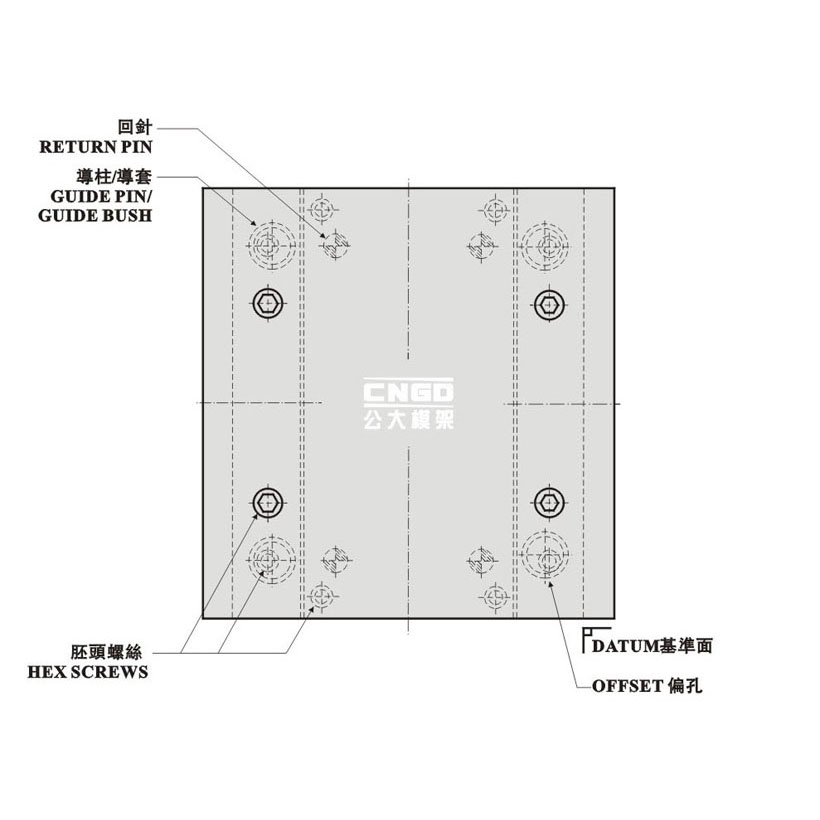
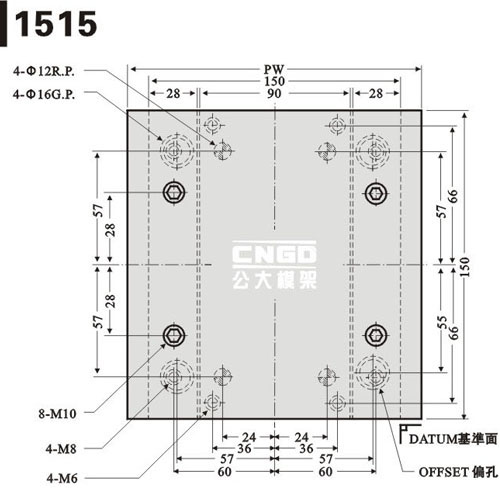
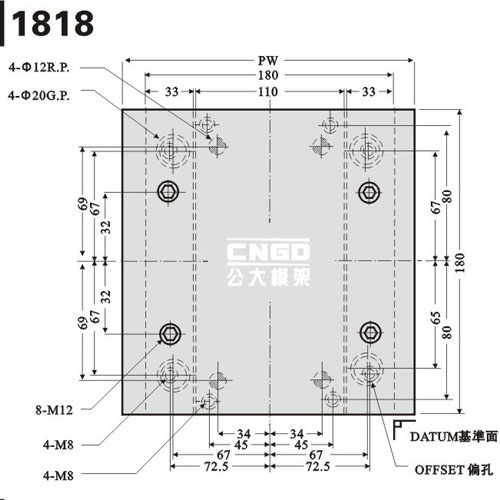
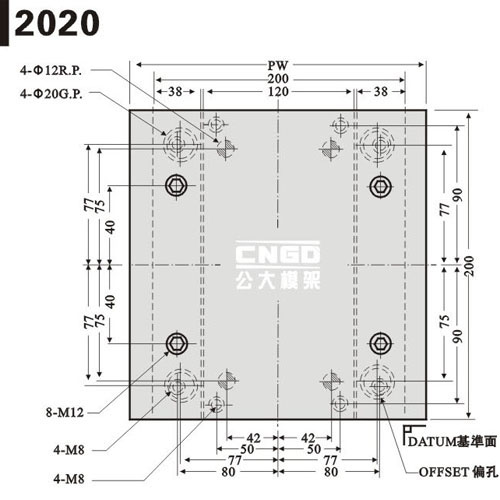
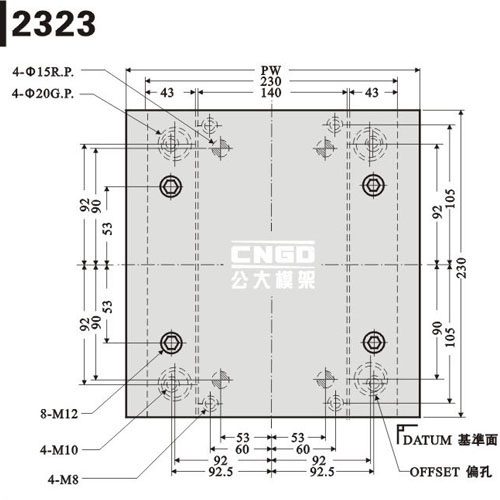
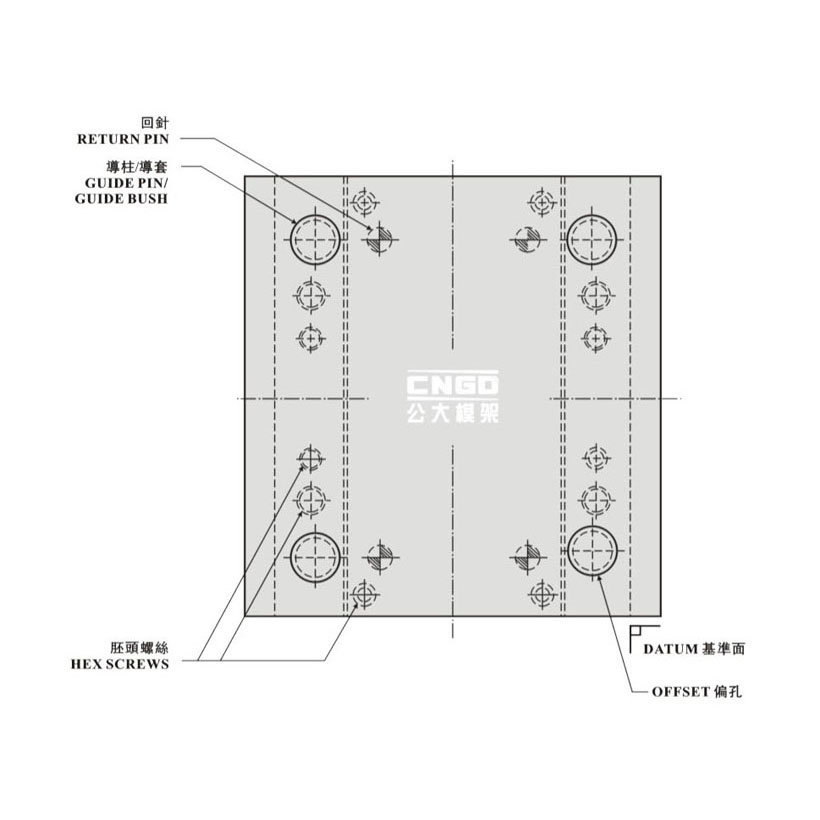
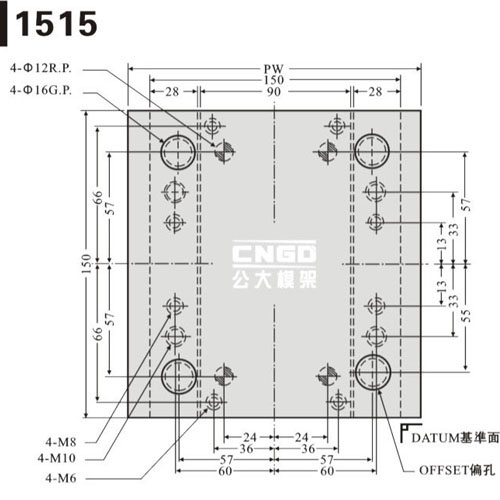
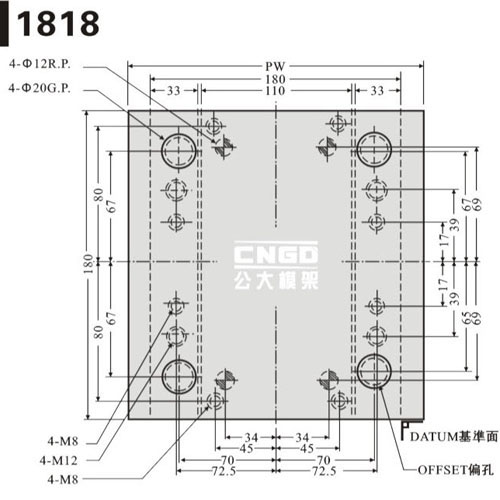
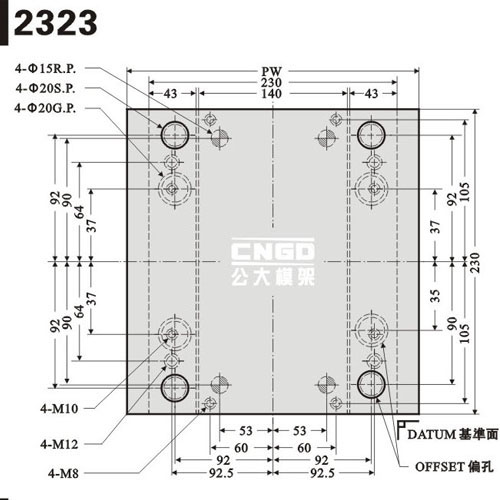
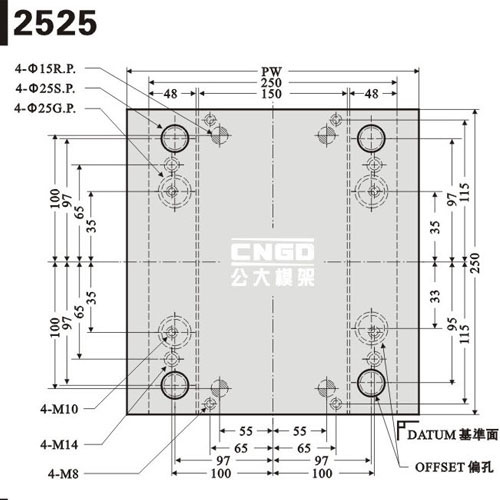
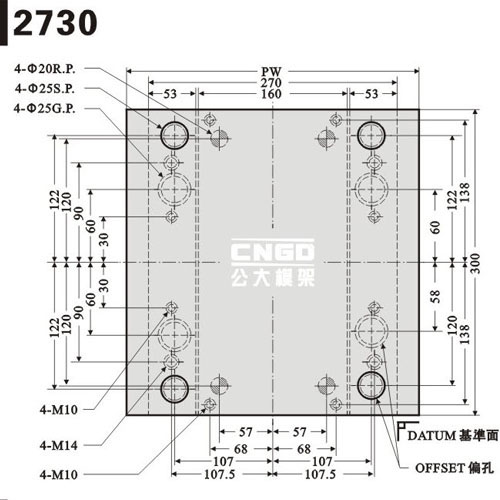
As manufacturing continues to shift toward high-end and precision-oriented development, the market has placed increasingly higher demands on the accuracy and stability of small and medium-sized precision mould bases. Recent industry analyses indicate that, due to their compact structures and stringent precision requirements, the manufacturing quality of these mould bases directly determines the final forming quality of end products. It is widely recognized that in the current competitive landscape, relying solely on scale expansion is no longer sufficient to meet market demand. Embedding the principle that “attention to detail determines success or failure” throughout the entire production process has become a key factor in building core competitiveness.
In the machining process of precision mould bases, the introduction of advanced equipment and the application of scientific inspection methods have become fundamental to quality assurance. Many enterprises are gradually phasing out outdated machinery and adopting high-precision CNC machining centers and coordinate measuring machines (CMMs) to ensure dimensional accuracy in milling, deep-hole drilling, and other critical processes. At the same time, strict process inspection standards are implemented from raw material selection to final product delivery. Guided by a spirit of continuous improvement and craftsmanship, companies effectively reduce wear and deformation risks during mould base usage, providing a solid foundation for downstream processes such as injection molding and die casting.